
Everything a Beginner Should Know About the Overnight Rate Economic News Report in Forex Trading
The Overnight Cash Rate (Overnight Rate) Report is one of the most important economic news releases that investors, institutions, hedge funds, and other major market participants closely monitor. This single report reveals the direction of a country’s monetary policy, and that alone is enough to shake the entire financial market.
As a beginner trader, understanding this report is crucial. No investor wants to hold a currency with a weak, unstable, or uncertain monetary policy. Big institutions evaluate monetary policy before putting money into any currency, and because their activities influence price movement, you must pay close attention to what they pay attention to.
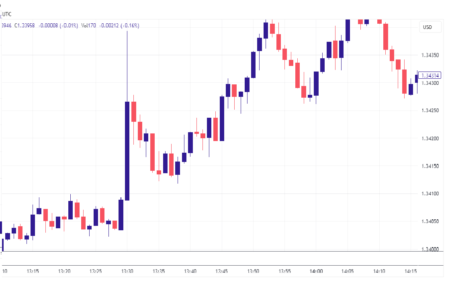
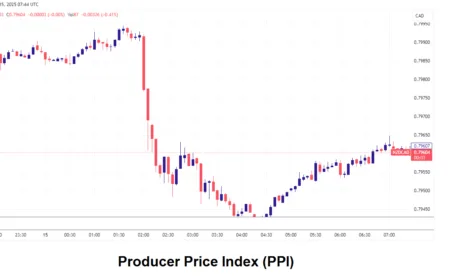
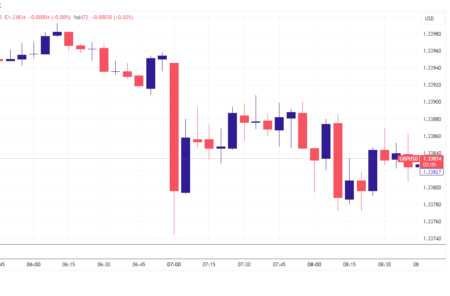
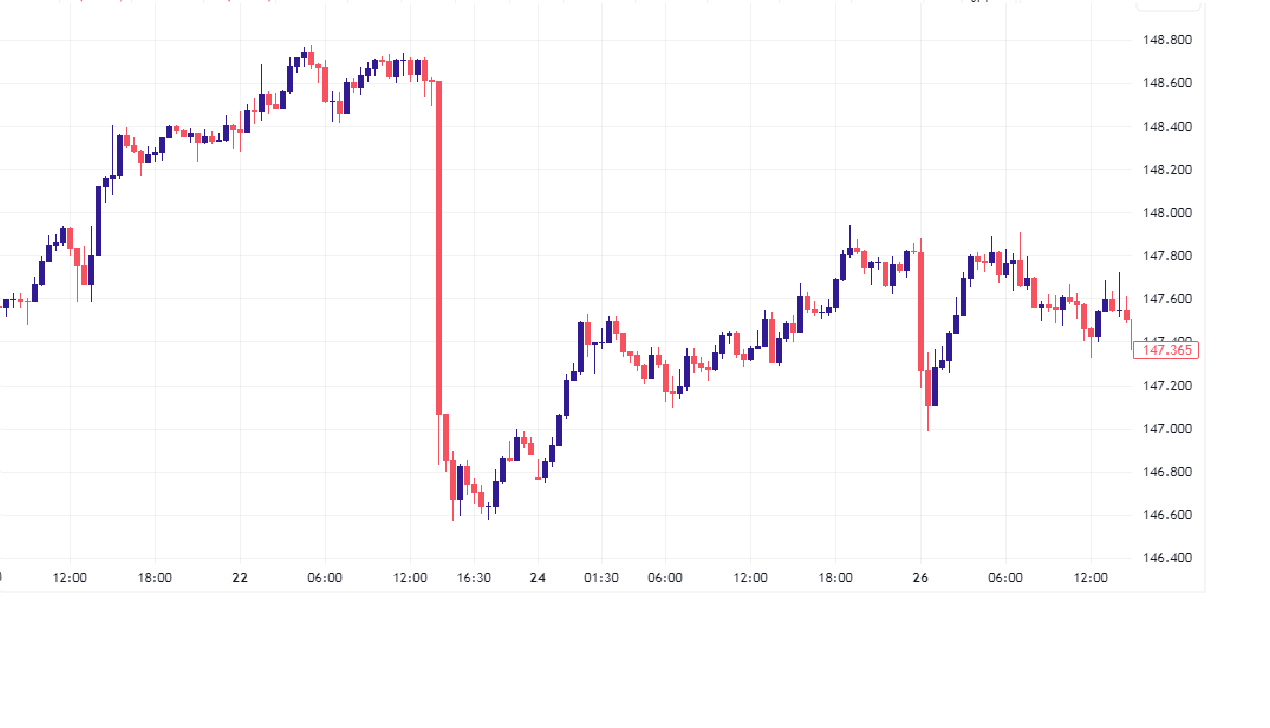
For example, imagine placing a buy order on GBP/USD with an expectation of steady movement. Minutes later, you check the chart only to see the price spike aggressively by 150 pips against your position, resulting in a significant slippage of 50 pips at your stop loss. This unexpected movement could turn a well-planned trade into a loss rapidly. As a beginner, you may be shocked and confused, but one of the most common causes of this type of sudden market volatility is the release of the Overnight Cash Rate Report.
This is why every beginner must learn how high-impact economic news, especially interest-rate-related reports, affects the market. Are you prepared for a 100-pip whipsaw? Recognising the potential risks and volatility can keep you better informed and prepared.
What Is the Overnight Cash Rate?
The Overnight Cash Rate is the interest rate at which major financial institutions lend money to each other overnight. It is set by the Central Bank of a country.
It is one of the core tools used in monetary policy to control:
- Inflation
- Economic growth
- Borrowing conditions
- Spending strength
- Currency valuation
When the overnight cash rate changes, it sends a powerful message about the health and direction of a country’s economy.
Is the Overnight Cash Rate the Same as the Official Interest Rate?
No. They are not the same, but they are deeply connected.
1. Overnight Cash Rate
- This is the rate at which banks lend money to each other overnight.
- It is the interbank interest rate.
- It is the target rate that the central bank influences to control short-term liquidity and monetary policy.
- It changes frequently and reacts to market conditions.
2. Official Interest Rate (Policy Rate / Base Rate)
- This is the interest rate set directly by the central bank.
- It is the rate used to guide the country’s monetary policy direction.
- It influences borrowing, lending, mortgage rates, business loans, and the entire economy.
- It does not change daily, only when the central bank announces it.
How They Are Connected
Even though they are not the same:
- The central bank sets the official interest rate,
- And uses it to influence the overnight cash rate.
In many countries, the central bank announces a target overnight rate, and this becomes the benchmark that affects all other interest rates in the economy.
So:
Official Interest Rate = Central bank policy rate
Overnight Cash Rate = Short-term interbank lending rate influenced by the policy rate
For instance, if a bank wants to borrow money from another bank, the overnight cash rate is considered. But, if individuals, investors, companies or any other private corporate bodies want to invest or borrow money from the bank, the official interest rate is considered.
Why Investors and Traders Care About the Overnight Cash Rate
Investors and big players care because:
1. It determines borrowing costs
Higher rates make borrowing more expensive, slowing down economic activity. Lower rates make borrowing cheaper, stimulating growth.
2. It directly influences a currency’s strength
- Rate Hike (increase): strengthens the currency
- Rate Cut (decrease): weakens the currency
3. It signals future monetary policy direction
A hike or cut can indicate whether the economy is strong, overheating, weak, or entering recession.
4. It moves the market massively
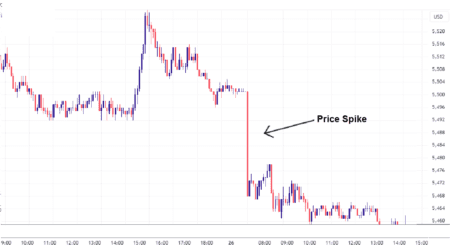
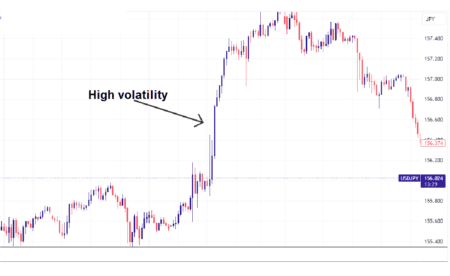
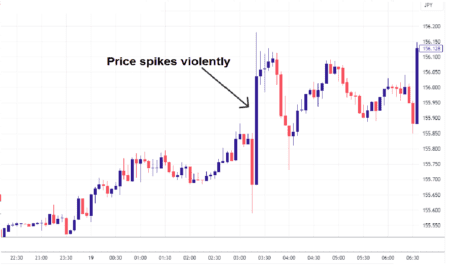
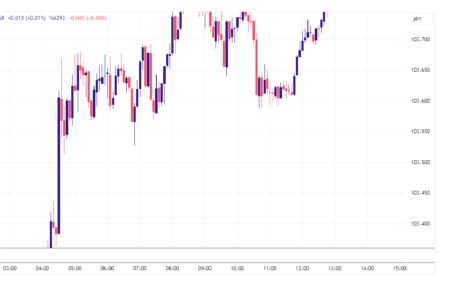
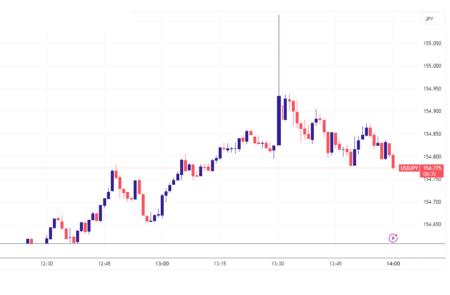
This is one of the most volatile news events in forex, capable of creating huge spikes within seconds.
How Price Reacts When the Overnight Cash Rate Is Released
The market’s immediate reaction depends on whether the actual figure meets, beats, or misses the forecast:
1. Rate Hike (increase in interest rate)
- Currency value usually strengthens.
- Investors rush to buy the currency.
- The market often experiences sharp bullish spikes.
2. Rate Cut (decrease in interest rate)
- Currency value typically drops.
- Investors sell off positions.
- Strong bearish movement may follow.
3. No Change, but the Statement Matters
Even when the rate remains unchanged, the central bank’s statement about future plans can still cause heavy volatility.
Why the Overnight Cash Rate Is Extremely Dangerous for Beginners
The Overnight Cash Rate is classified as a high-impact economic news report. This means it can:
- Move the market unpredictably.
- Causes large spreads.
- Trigger slippage.
- Hit stop losses before you even see the movement.
- Wipe out an entire account within minutes (especially if over-leveraged).
For beginners, trading during this period is extremely risky.
When Is the Overnight Cash Rate Released?
The release schedule depends on the country and its central bank, but it is typically announced monthly or eight times per year, depending on the economic calendar of each nation.
You can always check the time and date on:
- Forex Factory
- Investing.com
- Your MT4/MT5 economic calendar
Always confirm before trading.
Is There a Proven Trading Strategy for the Overnight Cash Rate?
No.
There is no reliable or guaranteed strategy for trading Overnight Cash Rate reports. The market may:
- Spike up violently.
- Reverse instantly.
- Whipsaw in both directions.
- Spreads expand suddenly.
- Trigger stop losses even before the candle forms.
Because of this danger, no professional trader recommends trading this news event, especially for beginners.
The best strategy is:
Stay away during the release.
Stay away during the release.
Why Beginners Should Avoid Trading During the Release
As a beginner, you should avoid trading Overnight Cash Rate announcements because:
- Price is highly unpredictable.
- Emotions might take over.
- The risk of slippage is extremely high.
- The spread can widen drastically.
- You may blow your account in seconds.
Instead, protect your capital and observe market behaviour from the sidelines.
Key Takeaways for Beginners
- Always check the economic calendar before placing any trade.
- The Overnight Cash Rate is one of the most volatile news events.
- Higher interest rate = stronger currency.
- Lower interest rate = weaker currency.
- Avoid trading during the release period.
- Focus on learning, practising, and mastering your strategy on demo.
- Always use risk management and a solid trading plan.
Important Notice
Forex trading carries significant risk. Do not trade real money as a beginner until you have mastered your strategy on a demo account. No trading strategy works perfectly at all times; that is why proper risk management and discipline are essential. Risk only 1% of your trading capital per trade to help preserve your trading capital against the uncertainty of the forex market.
Frequently Asked Questions (FAQs)
1. What is the Overnight Cash Rate in simple terms?
It is the interest rate at which banks lend money to each other overnight, controlled by the central bank.
2. Does a higher Overnight Cash Rate strengthen a currency?
Yes. Higher rates attract investors, making the currency more valuable.
3. Why does this report cause massive volatility?
Because interest rate decisions affect the entire economy, they attract huge reactions from investors and institutions.
4. Should beginners trade during this news release?
No. It is too dangerous due to unpredictable volatility.
5. Where can I check the scheduled release time?
You can check the economic calendar on Forex Factory, Investing.com, or your trading platform.
6. Is Federal Funds Rate the same as Overnight Rate?
Yes. You can refer to it as overnight rate or Federal Funds Rate.
If you have more questions regarding this topic, do let us know in the comments section. Stay blessed!